Source Spunlace Dyed Face Mask Substrate for Medical, Home, and Garment Use
Find 26 spunlace dyed face mask substrate options for medical, home, and garment applications. Compare specifications including GSM, width, and certifications like MSDS to identify suitable non-woven materials for your production needs; compare the available evidence and request quotations based on your requirements.
Key considerations
Products List



$0.33 - $0.35
Moq: 1000000




Comprehensive Sourcing Guide
Spunlace Dyed Face Mask Substrate Sourcing Guide
Sourcing spunlace dyed face mask substrate requires a nuanced understanding of non-woven fabric engineering, specifically how hydroentanglement processes interact with dyeing techniques to create soft, breathable, and structurally stable materials. This guide synthesizes observed market data and technical realities to help procurement professionals navigate the complexities of selecting the right substrate for cosmetic, medical, or general hygiene applications. By focusing on verified attributes such as GSM ranges, fiber composition, and finishing treatments, buyers can mitigate risks associated with inconsistent quality and supply chain disruptions.
The following sections provide a structured approach to evaluating suppliers, verifying technical specifications, and ensuring compliance with safety standards. We emphasize evidence-based decision-making, drawing from observed listing signals and trusted industry knowledge to highlight critical verification steps. This guide does not endorse specific vendors but instead equips buyers with the analytical framework needed to assess potential partners effectively, ensuring that the final product meets both functional requirements and regulatory expectations.
Product Scope and Observed Listing Signals
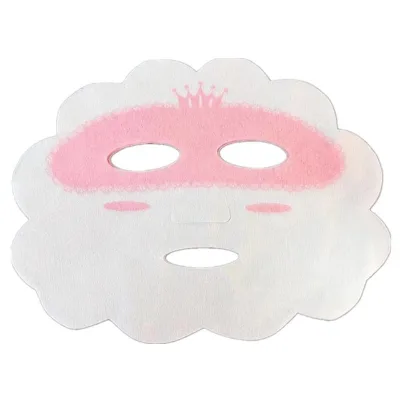
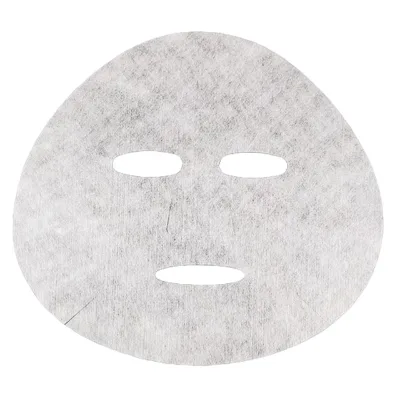
The observed market for spunlace face mask substrates reveals a diverse range of product models, including "Special S Pattern," "Invisible," and "Cotton Face Mask Sheet" variants, indicating that buyers can find options tailored to specific aesthetic or functional needs. Listings frequently highlight features such as eco-friendliness, breathability, and anti-bacterial properties, which are critical for consumer-facing products. However, these claims should be treated as observations rather than guaranteed specifications, requiring independent verification through supplier documentation or third-party testing to ensure they align with your quality standards.
Material composition varies significantly across listings, with some products specified as 100% polypropylene spunbonded non-woven, while others utilize cotton fiber or blended materials. The form is consistently listed as "Sheet," with widths ranging from 150-180cm for broader applications to narrower rolls like 17.5/19.5cm for specific mask shapes. Buyers must carefully distinguish between these material types, as polypropylene offers superior moisture resistance and durability, whereas cotton fiber provides enhanced softness and skin compatibility, influencing the final product's performance and user experience.
Technical Specifications to Verify
When evaluating spunlace dyed substrates, verifying the grammage (GSM) is paramount, as it directly impacts the mask's durability, opacity, and liquid absorption capacity. Observed data indicates a wide weight range from 10-200 GSM, with specific products noted at 22-80 GSM or 10-150 GSM. Buyers should confirm the exact GSM for their intended application, as lower weights may compromise structural integrity, while higher weights could reduce breathability. Additionally, the production technique, whether spunlace or spunbonded, affects the fabric's texture and strength, so specifying the correct technical process is essential for achieving the desired tactile feel and performance.
Pattern and style are also critical technical considerations, with options ranging from plain patterns to dyed finishes and dot patterns. The "Flora-586-Spunlace" and "Flora-94-Spunlace" models suggest specialized designs that may offer unique aesthetic or functional benefits. Buyers must verify the line width, roll length (e.g., 1000/2000m), and packing methods (carton vs. woven bag) to ensure compatibility with their manufacturing equipment and storage capabilities. Confirming these details prevents production delays and ensures that the substrate integrates seamlessly into the final mask assembly process.
Compliance and Safety Documentation
Compliance with safety standards is non-negotiable for face mask substrates, particularly those intended for direct skin contact. Buyers must request and verify certifications such as MSDS, which provides critical information on material safety and handling. While some listings mention inspections for Azo dyes, ISO standards, and SGS testing, these should be treated as claims requiring validation. It is essential to confirm that the supplier holds valid, up-to-date certificates and that the test results specifically cover the batch or product line being procured, ensuring that no harmful substances are present in the final material.
Furthermore, the grade of the material, often described as "Skin Direct Touch" or "Imported," implies a level of purity and safety that must be substantiated. Buyers should inquire about the origin of the raw materials, such as whether the cotton fiber or polypropylene is sourced from reputable suppliers, and request documentation proving that the dyeing process adheres to environmental and health regulations. Verifying these aspects helps mitigate legal and reputational risks, ensuring that the final product is safe for consumers and compliant with international trade requirements.
Cost Drivers and Commercial Terms
Cost structures for spunlace dyed substrates are influenced by several factors, including material composition, GSM, and customization requirements. Observed price ranges vary widely, from $0.01 to $18,000, reflecting differences in order volume, product complexity, and supplier pricing strategies. Buyers should focus on unit pricing based on weight or area rather than absolute costs, as this provides a more accurate comparison across different suppliers. Additionally, the availability of free samples allows for cost-effective evaluation of quality before committing to large orders, reducing the risk of purchasing unsuitable materials.
Commercial terms such as MOQ, payment methods, and lead times are critical for supply chain planning. Listings indicate MOQs ranging from 1 ton per color to 1000 kgs, with payment terms often requiring a 30% deposit via T/T or L/C. Lead times are typically around 15 days after receiving the deposit, but this can vary based on production capacity and order size. Buyers must negotiate these terms carefully, ensuring that they align with their inventory management strategies and cash flow requirements, while also considering the potential for price fluctuations based on raw material costs.
Supplier Qualification and Quality Control
Supplier qualification is a multi-step process that begins with verifying the company's location and production capabilities. Observed origins include Hangzhou and Quanzhou, Fujian, China, regions known for their textile manufacturing expertise. Buyers should conduct due diligence to confirm the supplier's manufacturing capacity, quality control processes, and ability to meet specific customization requests. Requesting references or case studies from previous clients can provide insights into the supplier's reliability and consistency, helping to identify potential partners who can deliver high-quality substrates on time.
Quality control measures should be explicitly defined in the procurement agreement, including inspection protocols for defects, color consistency, and dimensional accuracy. Buyers should specify acceptable tolerances for GSM, width, and roll length, and require pre-shipment inspections by third-party agencies if necessary. Establishing clear communication channels and regular updates during production can help identify and resolve issues early, ensuring that the final product meets all specified requirements. This proactive approach minimizes the risk of receiving non-conforming goods and protects the buyer's investment.
Long-Term Procurement Checks
Long-term procurement success depends on establishing a robust supplier relationship that prioritizes continuous improvement and adaptability. Buyers should regularly review supplier performance metrics, including on-time delivery rates, defect rates, and responsiveness to issues. Conducting periodic audits of the supplier's facilities and quality management systems can help ensure ongoing compliance with standards and identify areas for improvement. Building a partnership based on transparency and mutual benefit fosters trust and encourages the supplier to prioritize your orders, leading to better service and potentially more favorable terms over time.
Additionally, staying informed about industry trends and technological advancements in non-woven fabric production can provide a competitive advantage. Buyers should monitor developments in sustainable materials, such as eco-friendly dyes or biodegradable substrates, and evaluate their potential impact on future product lines. By maintaining a flexible procurement strategy and regularly reassessing supplier capabilities, buyers can ensure that their supply chain remains resilient and responsive to changing market demands, securing a steady supply of high-quality spunlace dyed face mask substrates.
FAQs
What materials are used for spunlace dyed face mask substrate?
The substrate is primarily made from non-woven materials including cotton fiber and 100% polypropylene. Some products feature spunlace technology for enhanced softness. These materials ensure the fabric is suitable for direct skin contact while maintaining structural integrity during use.
Can I get free samples for spunlace dyed face mask substrate?
Yes, free samples are available for you to evaluate the product quality before placing a bulk order. This allows buyers to verify the texture, weight, and dye consistency. Please note that shipping costs for these samples may vary depending on your specific location.
What is the minimum order quantity for spunlace dyed face mask substrate?
The minimum order quantity typically starts at one ton per color for bulk purchases. Some listings indicate a lower threshold of 1000 kilograms for specific product lines. Buyers should confirm the exact MOQ with the supplier as it depends on the specific model and customization requirements.
How long is the delivery time for spunlace dyed face mask substrate?
The standard delivery time is fifteen days after receiving the deposit payment. This timeline applies to confirmed orders where specifications and customization details are finalized. Buyers should account for this lead time when planning their production schedules or inventory replenishment cycles.
Which certifications are available for spunlace dyed face mask substrate?
Products often come with MSDS certification to ensure safety and compliance. Additional inspection standards include Azo, ISO, and SGS testing results. These certifications verify that the fabric meets international safety requirements for use in face masks and other hygiene applications.
What packaging options exist for spunlace dyed face mask substrate?
Packaging options include cartons, woven bags, or tubes with polybags inside. Specific configurations may involve paper tubes of two or three inches in diameter. The choice of packaging depends on the product model and the buyer's logistical preferences for storage and transport.
Where are spunlace dyed face mask substrate manufacturers located?
Manufacturers are located in key industrial regions such as Hangzhou and Quanzhou in Fujian, China. These locations provide access to advanced production facilities and supply chains. Buyers can source products directly from these established manufacturing hubs to ensure quality and reliability.